 7 ways to combat anxiety - Free ebook


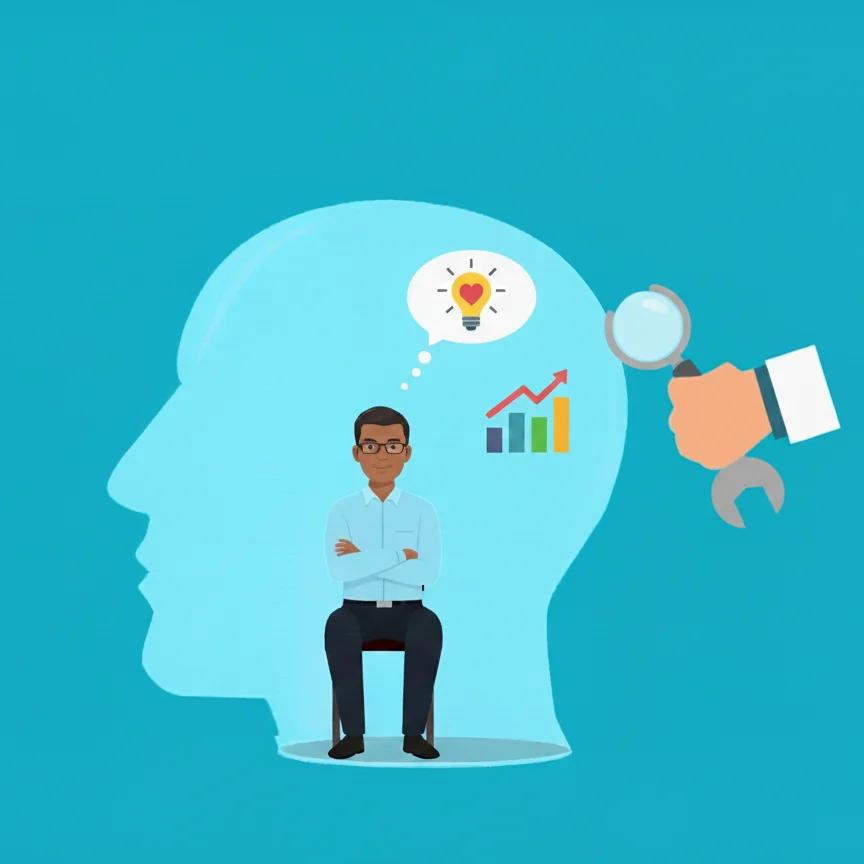
06 Jan What is emotional intelligence coaching and how can it change your life?
Emotional intelligence coaching is about how you understand emotions and how you respond to them. Yours first, then other people’s. It looks at what happens in the moment when things feel tense or confusing. And it helps you work out why you react the way you do.
A lot of people come to this after training or qualifying. They have the certificate. They know the theory. But they are not always sure what to do next or how to use it in real life. That’s where emotional intelligence coaching starts to make sense.
What emotional intelligence coaching actually means
At its simplest, emotional intelligence coaching is about awareness and choice. You learn to notice what you are feeling while it is happening. Not later when the conversation has already gone wrong.
It also looks at how emotions affect behaviour. Stress. Frustration. Anxiety. Even excitement. All of it plays a part in how decisions get made. Coaching helps slow that process down. You get space to think before reacting.
This is not about staying calm all the time. That is not realistic. It is about staying steady enough to respond in a way that lines up with your values and your role. Especially if you are supporting others.
Why people look for emotional intelligence coaching after qualifying
Many people finish a qualification feeling unsure about the next step. You might be trained in coaching, therapy, education, or leadership. On paper, you are ready. In practice, it can feel different.
You might struggle with confidence when working with clients. Or you notice your own emotions getting in the way. Maybe boundaries feel blurry. Or imposter syndrome keeps showing up.
Emotional intelligence coaching helps bridge that gap. It supports you to use what you have learned in real situations. Not perfectly. Just more clearly.
This is one of the areas we work with at Future Edge Therapy. Our services focus on helping people move from qualification into confident practice.
How it works in practice
Sessions usually focus on real experiences. Not theory alone. You bring situations that feel difficult or confusing. A client interaction. A work conversation. A moment where you felt stuck.
Together, you look at what was happening emotionally. What you noticed in your body. What thoughts came up. And how that shaped your response.
Over time, patterns become clearer. You start recognising triggers earlier. You notice when you are slipping into old habits. That awareness gives you more options next time.
This approach is widely used across coaching and mental health settings.
How it can change the way you work with others
If you work with people, emotional intelligence coaching can change how you show up. You listen more carefully. You notice what is not being said. You manage your own reactions so they do not take over the session or conversation.
This matters if you are a coach, therapist, teacher, or manager. Your emotional state affects the space you create. Clients and colleagues pick up on it even if nothing is said out loud.
As emotional awareness improves, trust tends to build more easily. Difficult conversations feel more manageable. You are less likely to take things personally and more able to stay present.
Emotional intelligence coaching and self awareness
Self awareness is often talked about but not always practiced. Emotional intelligence coaching turns it into something practical. You learn how to check in with yourself during the day. Not just in reflection later.
You start asking simple questions. What am I feeling right now. What do I need. What is driving this reaction.
That kind of awareness supports better boundaries. You notice when you are over giving. Or when you are avoiding something that matters. Small changes follow from that.
Using coaching to build confidence after training
Confidence does not usually come from knowing more. It comes from trusting yourself in real situations. Emotional intelligence coaching helps with that because it focuses on experience, not just information.
You learn how to recover from mistakes. How to reflect without self blame. How to stay grounded when you feel uncertain.
This is especially useful after qualifying when expectations can feel high. Emotional intelligence coaching gives you space to develop at your own pace. Without pressure to have everything figured out.
At Future Edge Therapy, we work with people at this stage often. Our approach is practical and reflective, focused on real work and real challenges.
What makes emotional intelligence coaching different from therapy
People sometimes confuse the two. Emotional intelligence coaching is not therapy. It does not aim to treat mental health conditions. It focuses on development and application.
That said, it still goes deep at times. Emotions are involved. Reflection matters. But the goal is forward movement. How you show up. How you work. How you relate to others.
If you are looking to grow professionally and personally at the same time, this type of coaching often fits well.
Who emotional intelligence coaching is most helpful for
It can help people in leadership roles who manage others, newly qualified practitioners finding their feet and anyone who feels their emotions sometimes get in the way of clear thinking.
You do not need to be struggling to benefit. Many people use emotional intelligence coaching to refine skills they already have. To feel more steady and intentional in how they work and live.
What to do next if this sounds relevant
If you have recently qualified and are wondering how to apply what you know, emotional intelligence coaching is worth considering. It supports the shift from learning to doing.
Look for practitioners and organisations with experience in this area. Check their background. See how they work. Make sure it feels practical and grounded.
At Future Edge Therapy, our work is shaped by experience, ongoing development, and a focus on real world application. Emotional intelligence coaching is not about fixing yourself. It is about understanding yourself better and using that understanding to move forward with more clarity. And for many people, that makes a real difference. If you would like to find out more contact us today.